Archives
- 2026-08
- 2026-07
- 2026-06
- 2026-05
- 2026-04
- 2026-03
- 2026-02
- 2026-01
- 2025-12
- 2025-11
- 2025-10
- 2025-09
- 2025-03
- 2025-02
- 2025-01
- 2024-12
- 2024-11
- 2024-10
- 2024-09
- 2024-08
- 2024-07
- 2024-06
- 2024-05
- 2024-04
- 2024-03
- 2024-02
- 2024-01
- 2023-12
- 2023-11
- 2023-10
- 2023-09
- 2023-08
- 2023-07
- 2023-06
- 2023-05
- 2023-04
- 2023-03
- 2023-02
- 2023-01
- 2022-12
- 2022-11
- 2022-10
- 2022-09
- 2022-08
- 2022-07
- 2022-06
- 2022-05
- 2022-04
- 2022-03
- 2022-02
- 2022-01
- 2021-12
- 2021-11
- 2021-10
- 2021-09
- 2021-08
- 2021-07
- 2021-06
- 2021-05
- 2021-04
- 2021-03
- 2021-02
- 2021-01
- 2020-12
- 2020-11
- 2020-10
- 2020-09
- 2020-08
- 2020-07
- 2020-06
- 2020-05
- 2020-04
- 2020-03
- 2020-02
- 2020-01
- 2019-12
- 2019-11
- 2019-10
- 2019-09
- 2019-08
- 2019-07
- 2018-07
-
br Potential and established risk factor for Alzheimer
2023-04-14
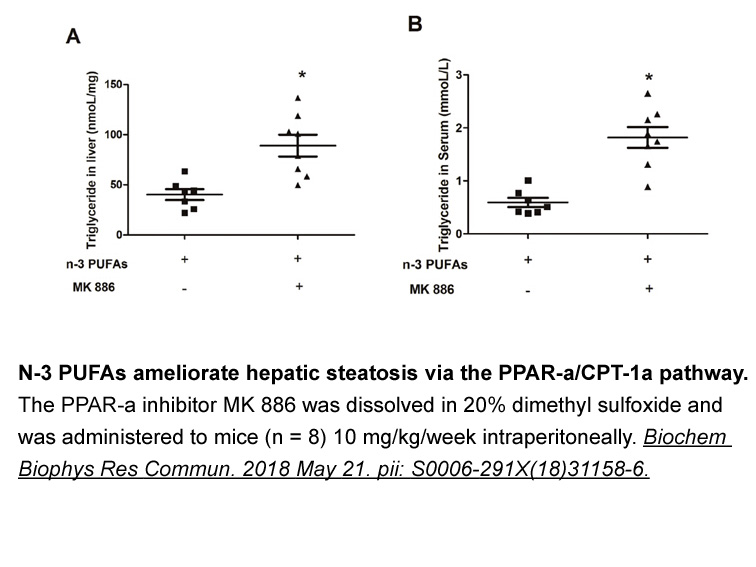
Potential and established risk factor for Alzheimer’s Disease The only way to overcome the above mentioned limitations is the identification of risk factors, which, taken together, can reliable predict the development of AD. Age and ApoE4 are established non-modifiable risk factors for AD. The ri
-
br Acetaldehyde One of the most common http www
2023-04-14
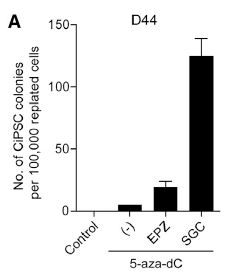
Acetaldehyde One of the most common environmental aldehydes is acetaldehyde (CH2CHO). Acetaldehyde, which is highly volatile, has been classified as a Group I human carcinogen by the International Agency for Research on Cancer [30]. Aldehydes can form DNA adducts, including ring-open forms of cro
-
br Acknowledgments This work was supported by Grant in aid
2023-04-14
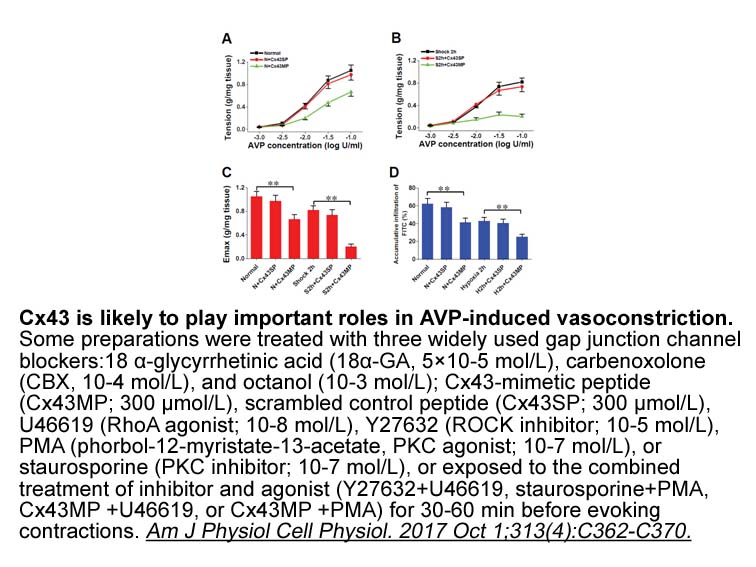
Acknowledgments This work was supported by Grant-in-aid for Scientific Research (S) (20229008) (to T.K.), Targeted Proteins Research Program (to T.K.), the Global COE Research Program (to T.K.) and Translational Systems Biology and Medicine Initiative (to T.K.) from the Ministry of Education, Cul
-
The anorexic effect observed when AR is infused into
2023-04-14

The anorexic effect observed when AR231630 is infused into the VTA could be the result of the DA release inhibition, as previously described [11]. However, there is also a hedonic aspect in feeding that possibly involves dopaminergic mechanisms of reward. Helm et al. showed a functional link between
-
Based on the observation that antipsychotic drugs increase H
2023-04-14
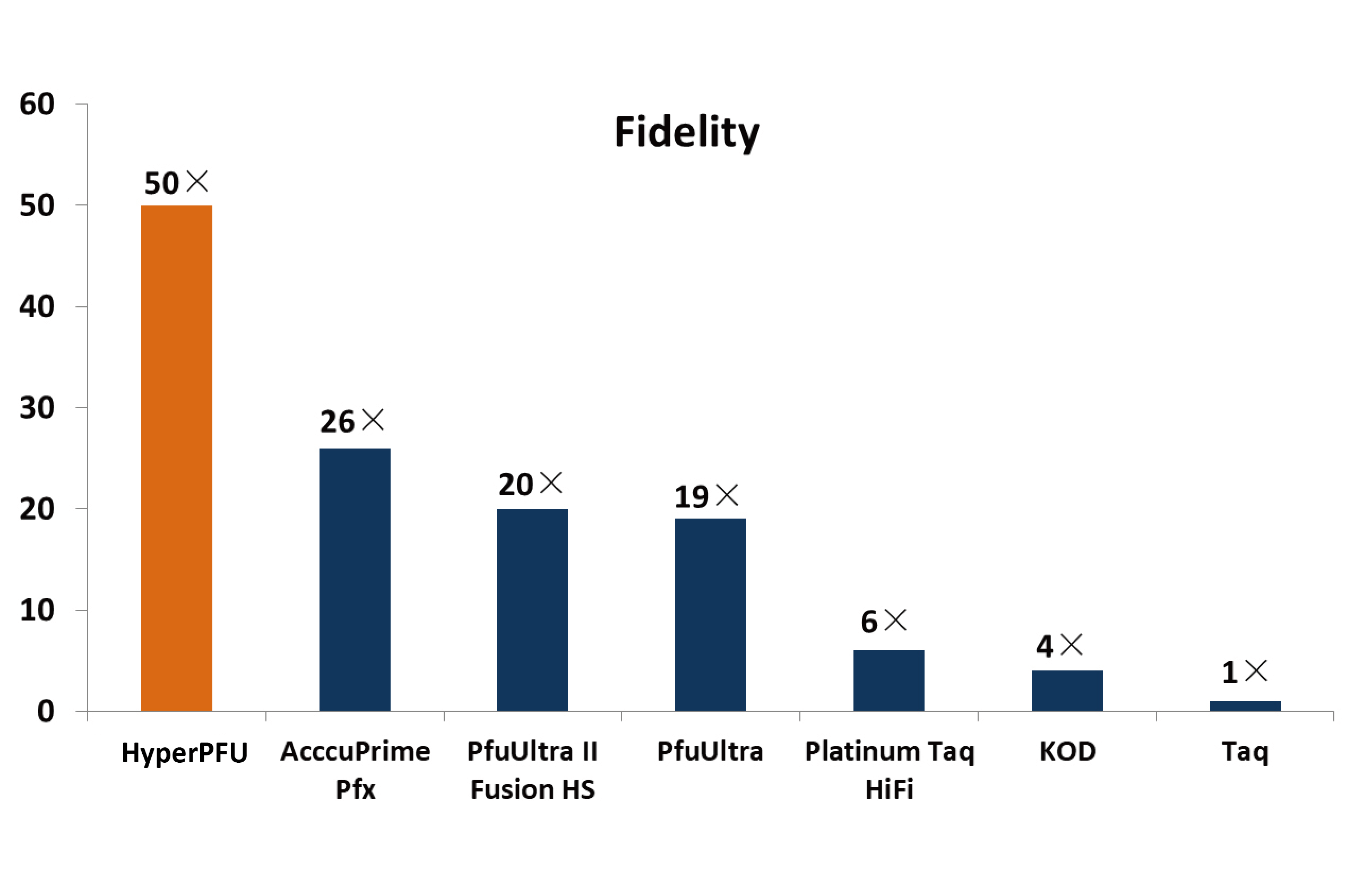
Based on the observation that antipsychotic drugs increase 5-HT1A–D2 heteromerization level (Łukasiewicz et al., 2016), we set out to compare the effect of paroxetine to that of risperidone. Paroxetine, a potent SSRI, is very effective in the treatment of depression and anxiety disorders, e.g., gene
-
PP121 It involves complementary and inflammatory
2023-04-14
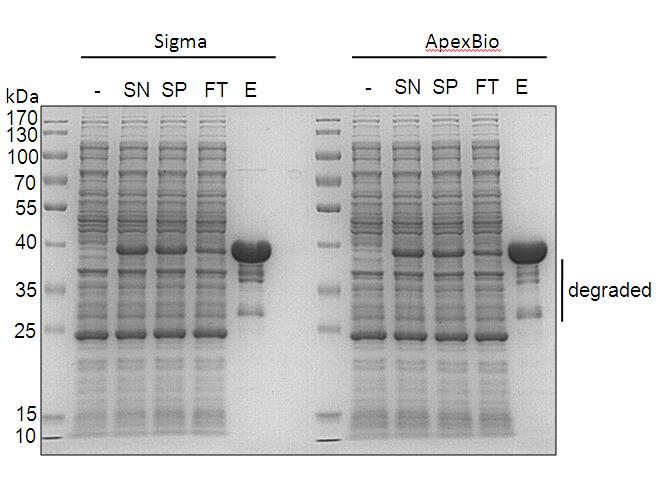
It involves complementary and inflammatory system proteins, mast cells, eosinophils, basophils, macrophages, natural killer (NK) cells and cytokines [1]. Innate immunity, not only include cells, but also barriers that defend the organism to the penetration of pathogenic agents [2]. Important mediat
-
Numerous studies have reported high glutamate levels
2023-04-14
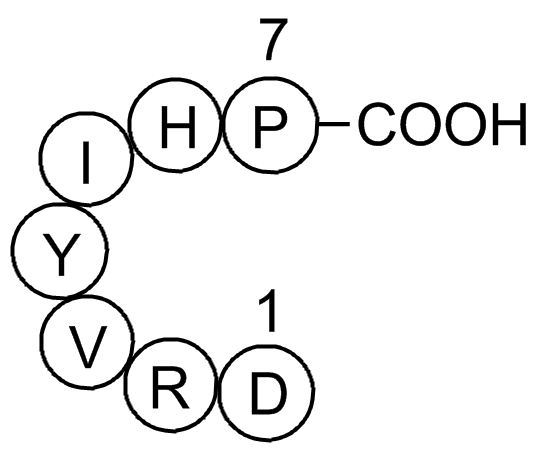
Numerous studies have reported high glutamate levels in the brains of patients with depression, indicating that the glutamate system plays a crucial role in depression (Sanacora et al., 2004; Kendell et al., 2005; Hashimoto et al., 2007). Furthermore, several clinically effective antidepressant drug
-
br Materials and methods Bacterial strains and growth condit
2023-04-14
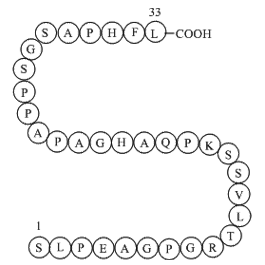
Materials and methods Bacterial strains and growth conditions. Escherichia coli TOP10 and E. coli BL21Star (DE3) (ThermoFisher, Waltham, MA) were grown at 37 °C in Luria broth (LB) or LB-agar containing kanamycin (50 μg/ml). Bioinformatic analyses. The amino K-252c sequence of Rv2477c was obtain
-
Further important evidence for G
2023-04-14
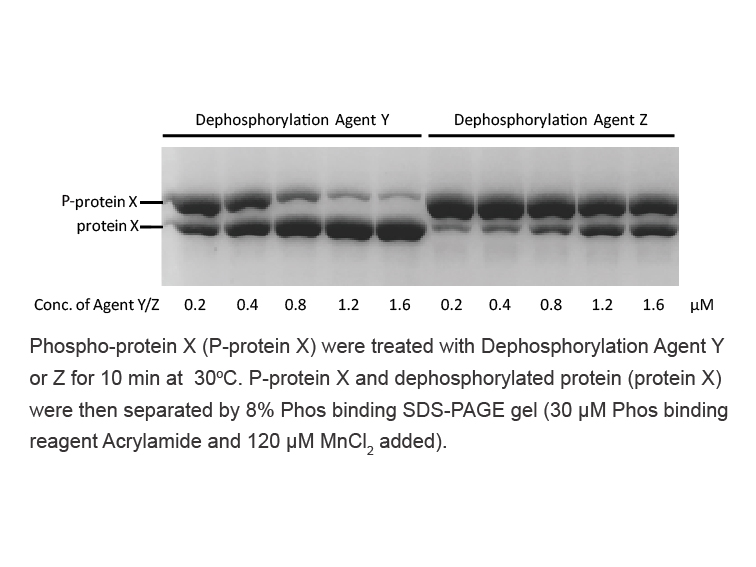
Further important evidence for G protein signaling on early endosomes has been subsequently obtained for the β2-adrenegic receptor using fluorescently-tagged conformation-sensitive nanobodies selectively recognizing the active receptor and Gs protein [43]. More recently, our group used a combinatio
-
In addition to connecting high
2023-04-14
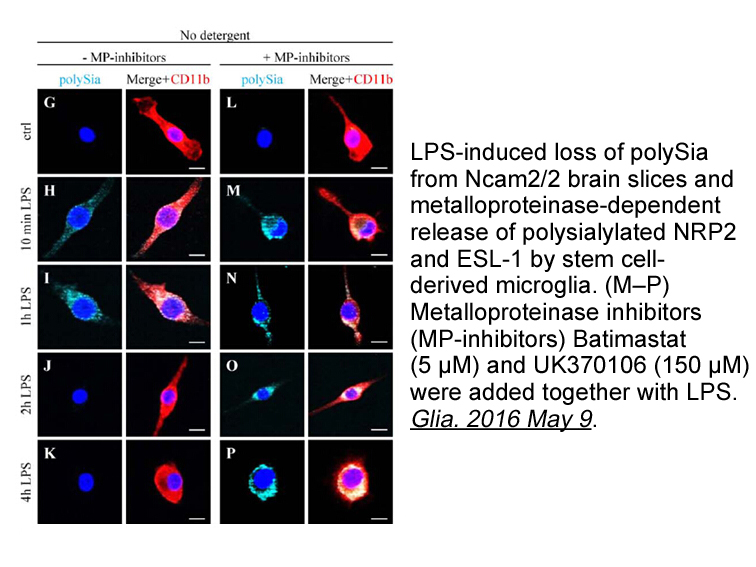
In addition to connecting high ARG1 levels with DNMT3A/TET2 mutations in MDS/CMML patient biopsies, we also wanted to address the cell type demonstrating elevated ARG1. Following our mouse work, we hypothesized that overexpression of this protein would be found in myelomonocytic cell tak receptor i
-
Introduction The burden of cardiovascular disease CVD is und
2023-04-13
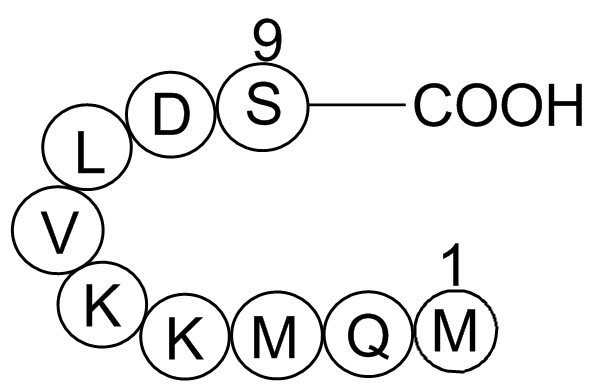
Introduction The burden of cardiovascular disease (CVD) is undisputed, accounting for approximately a third of global deaths (17.5 million people in 2012) (WHO, 2012). Atherosclerosis leads to the development of coronary heart disease (CHD) which accounts for more than 40% of these deaths (WHO, 201
-
Detailed analysis of the dose dependence of A
2023-04-13

Detailed analysis of the dose dependence of Aβ effects revealed that at low amounts, Aβ can also act as a positive regulator of presynaptic activity, enhancing the neurotransmitter release probability and increasing the neuronal excitability [2]. The facilitator effects of low Aβ dose on excitatory
-
SGC 0946 Although only Leu CysAP IRAP Herbest et al Keller
2023-04-13

Although only Leu/CysAP (IRAP) (Herbest et al., 1997, Keller, 2004) and DPPIV (Alponti and Silveira, 2010, Kirino et al., 2009) had been identified and studied in adipocytes, our kinetic analysis suggested the highest physiological significance for AspAP (highest affinity) and APM and PSA (highest e
-
br Acknowledgments This work was
2023-04-13
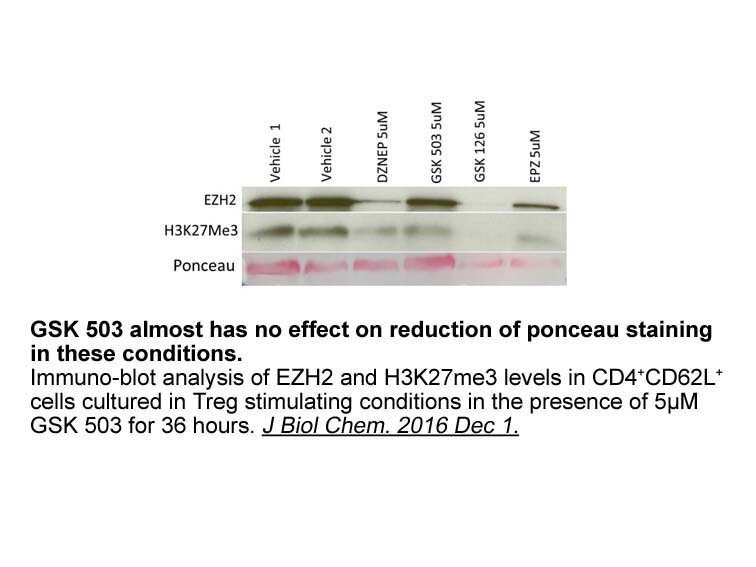
Acknowledgments This work was supported by a grant of the Romanian National Authority for Scientific Research, CNCS – UEFISCDI, project no. PN-II-ID-PCE-2011-3-0571, awarded to F.A.M. D.V.N. was co-financed from the European Social Fund through Sectorial Operational Program Human Resources Develo
-
Asparagine synthetase ASNS is a
2023-04-13
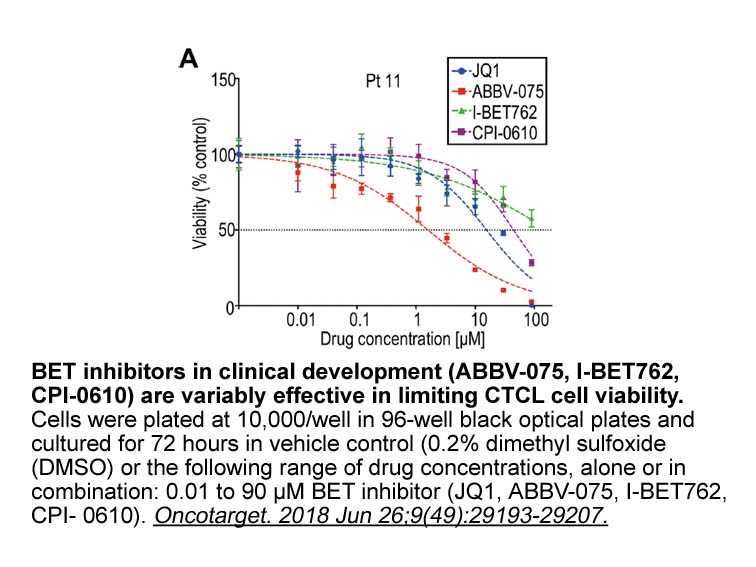
Asparagine synthetase (ASNS) is a glutamine amidotransferase that catalyzes ATP-dependent synthesis of asparagine and glutamate from aspartate and glutamine. Upregulation of ASNS expression renders leukemia cells resistant to l-asparaginase treatment, and ASNS is essential for cell survival in the a
15517 records 369/1035 page Previous Next First page 上5页 366367368369370 下5页 Last page