Archives
- 2026-08
- 2026-07
- 2026-06
- 2026-05
- 2026-04
- 2026-03
- 2026-02
- 2026-01
- 2025-12
- 2025-11
- 2025-10
- 2025-09
- 2025-03
- 2025-02
- 2025-01
- 2024-12
- 2024-11
- 2024-10
- 2024-09
- 2024-08
- 2024-07
- 2024-06
- 2024-05
- 2024-04
- 2024-03
- 2024-02
- 2024-01
- 2023-12
- 2023-11
- 2023-10
- 2023-09
- 2023-08
- 2023-07
- 2023-06
- 2023-05
- 2023-04
- 2023-03
- 2023-02
- 2023-01
- 2022-12
- 2022-11
- 2022-10
- 2022-09
- 2022-08
- 2022-07
- 2022-06
- 2022-05
- 2022-04
- 2022-03
- 2022-02
- 2022-01
- 2021-12
- 2021-11
- 2021-10
- 2021-09
- 2021-08
- 2021-07
- 2021-06
- 2021-05
- 2021-04
- 2021-03
- 2021-02
- 2021-01
- 2020-12
- 2020-11
- 2020-10
- 2020-09
- 2020-08
- 2020-07
- 2020-06
- 2020-05
- 2020-04
- 2020-03
- 2020-02
- 2020-01
- 2019-12
- 2019-11
- 2019-10
- 2019-09
- 2019-08
- 2019-07
- 2018-07
-
br Experimental br Acknowledgment This work was supported in
2022-02-12
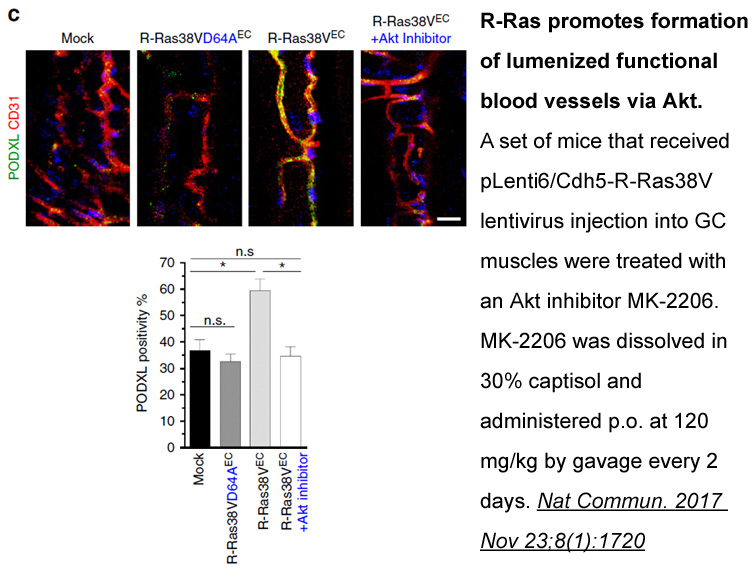
Experimental Acknowledgment This work was supported in part by a Grant-in-Aid for Scientific Research from the Ministry of Education, Culture, Sports, Science and Technology of Japan. Glyoxalase I (GLO1) is a zinc enzyme that catalyzes the isomerization of a hemithioacetal, formed from glu
-
SGLT inhibitors have been accepted as a new class
2022-02-12
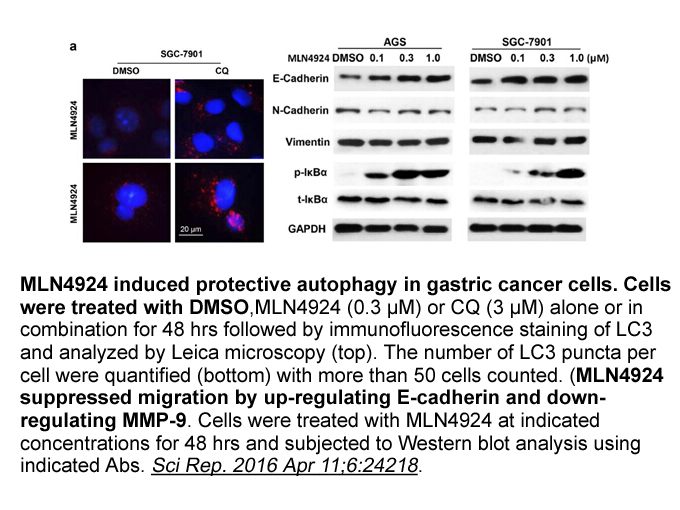
SGLT-2 inhibitors have been accepted as a new class of antidiabetic agent (Kurosaki and Ogasawara, 2013). They limit renal glucose reabsorption and promote urinary excretion of glucose, thereby reducing plasma glucose levels (de Leeuw and de Boer, 2016, Jojima et al., 2016, Pérez López et al., 2010,
-
Type diabetes mellitus is characterised by two major
2022-02-12
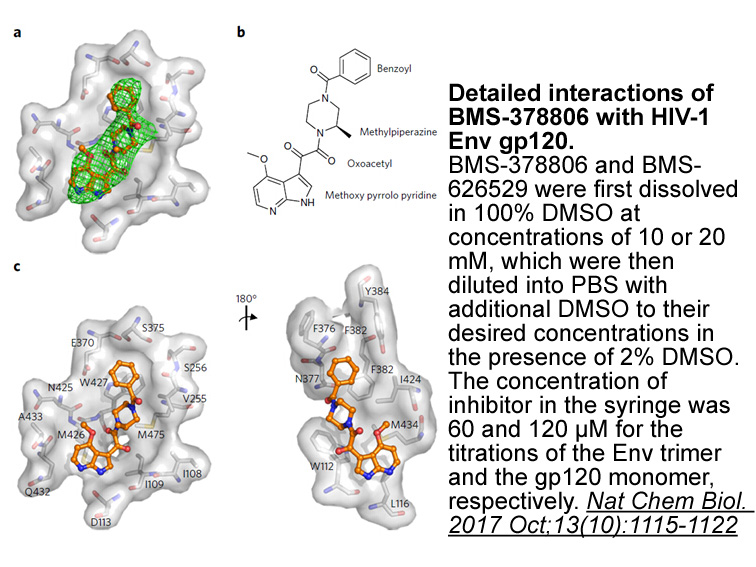
Type 2 diabetes mellitus is characterised by two major features: peripheral insulin resistance and impaired insulin secretion from pancreatic beta kras-pdeδ inhibitor [1]. The condition occurs when the pancreatic beta cells are unable to compensate for increased insulin demand due to insulin resist
-
Next we asked how a common activation marker of fibroblasts
2022-02-12
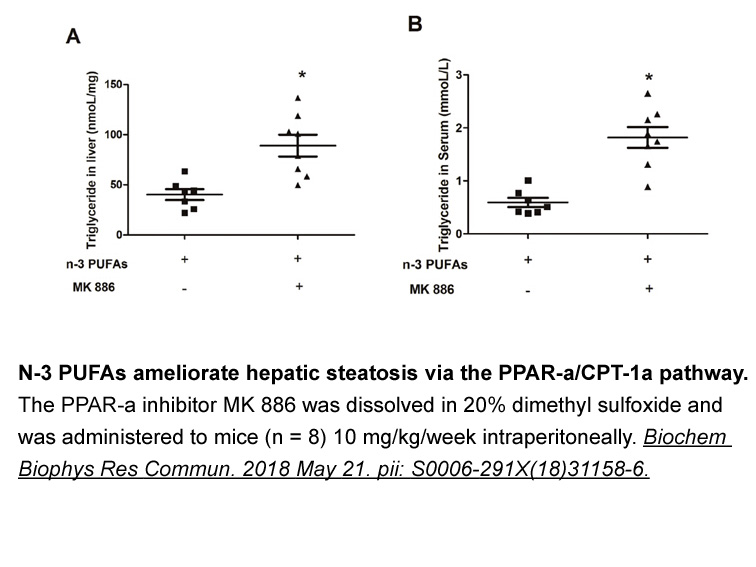
Next, we asked how a common activation marker of fibroblasts, Acta2, defined gene expression signatures in alveolar airspaces by using Acta2-mKO1 reporter mice (Fig. 2A). In the lungs of Acta2-mKO1 mice, mKO1 was expressed in smooth muscle cells and mesenchymal cells in TPPU (Fig. 2B). By sorting m
-
The most classic case of acquired and relapsing epilepsy is
2022-02-12
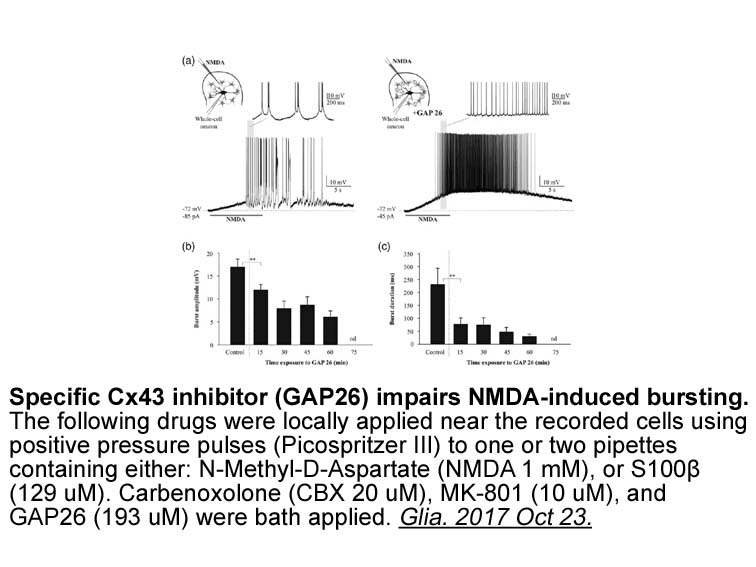
The most classic case of acquired and relapsing epilepsy is temporal lobe epilepsy (TLE), which originates from the hippocampal formation, a structure situated in the mesial temporal lobe (Majores et al., 2007). Our experiment used the prominent pilocarpine-induced TLE model. Systemic administration
-
Communication through GJ channels is
2022-02-12
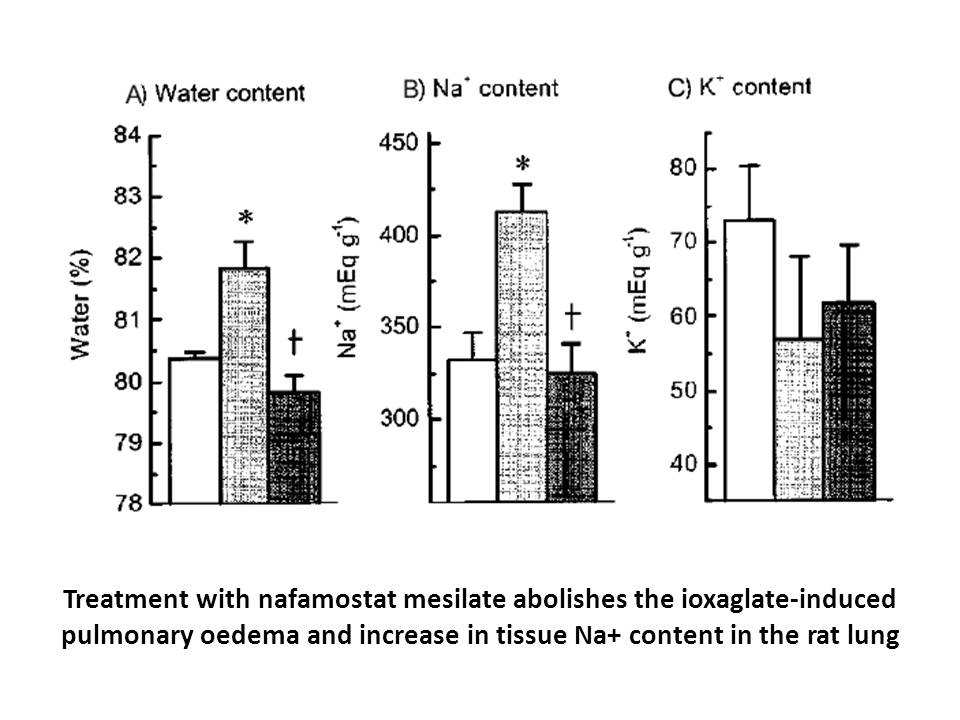
Communication through GJ channels is regulated at different levels and includes GJ plaque internalization into a single cell. Those vesicles contain the membrane of both cells and th assembled Cx43. The C-terminal domain of Cx43 interacts with different peptides and proteins. However, the internaliz
-
Cy5.5 carboxylic acid (non-sulfonated) br Results br Discuss
2022-02-12

Results Discussion In this study, we investigated the role of galanin and GAL2 receptors on anxiety-like behaviours mediated by the dorsal hippocampus of rats. We showed that locally administered galanin (1 nmol) decreased exploration of the open arms in the EPM, suggesting an anxiogenic-like
-
While reduced protein synthesis provides a model
2022-02-11
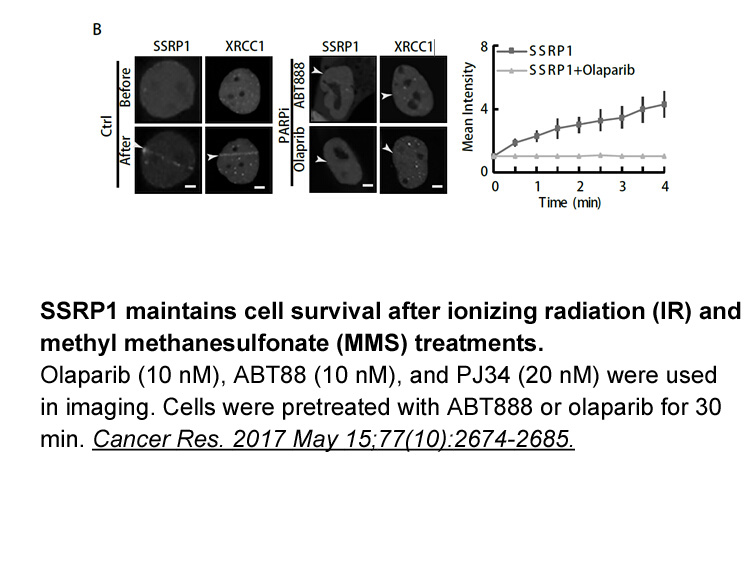
While reduced protein synthesis provides a model to explain the long-term memory defects of kdm5 and kdm5 flies, new translation is not required for short-term memories. The chronic reduction in translation observed in mutant fly strains may, however, lower the levels of proteins necessary for shor
-
Although histamine can induce both proliferation and differe
2022-02-11
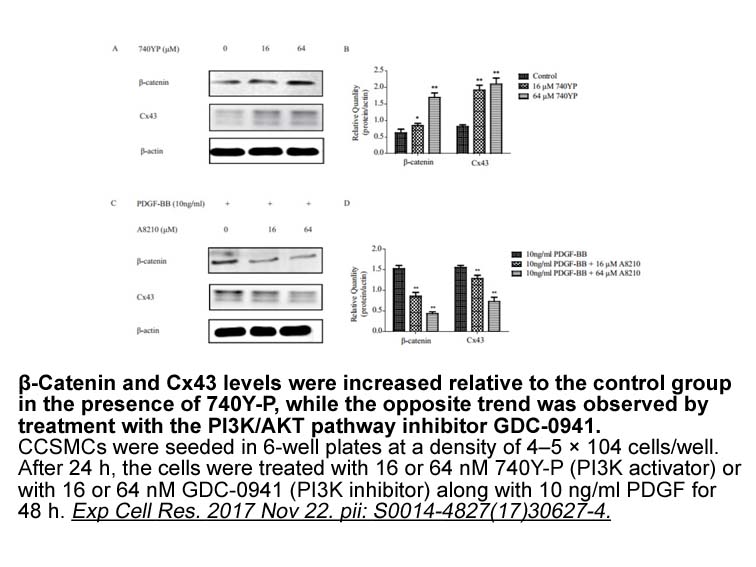
Although histamine can induce both proliferation and differentiation in vitro (Molina-Hernandez and Velasco, 2008), the promotion of neurogenesis conferred by H3R antagonism here does not seem to be caused by either the proliferation or the reduction of apoptosis of NSCs (Figure S3). Furthermore, H3
-
The involvement of prostaglandins on the
2022-02-11
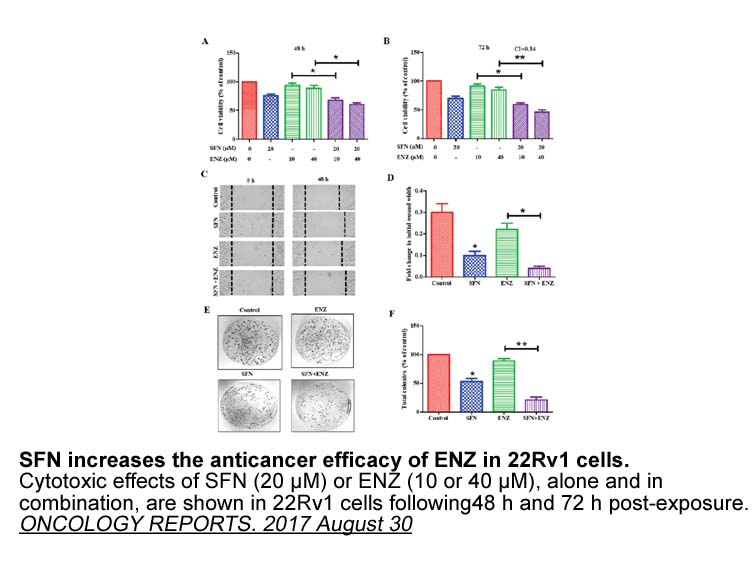
The involvement of prostaglandins on the effects induced by 1-nitro-2-phenylethane is similarly unlikely because vasorelaxation was not changed by indomethacin [20]. The inhibition of adenylyl cyclase with MDL-12330A [21] or cAMP-dependent protein kinase A with KT-5720 [22] also did not interfere wi
-
br Molecular mechanisms underpinning GSNOR function in the d
2022-02-11
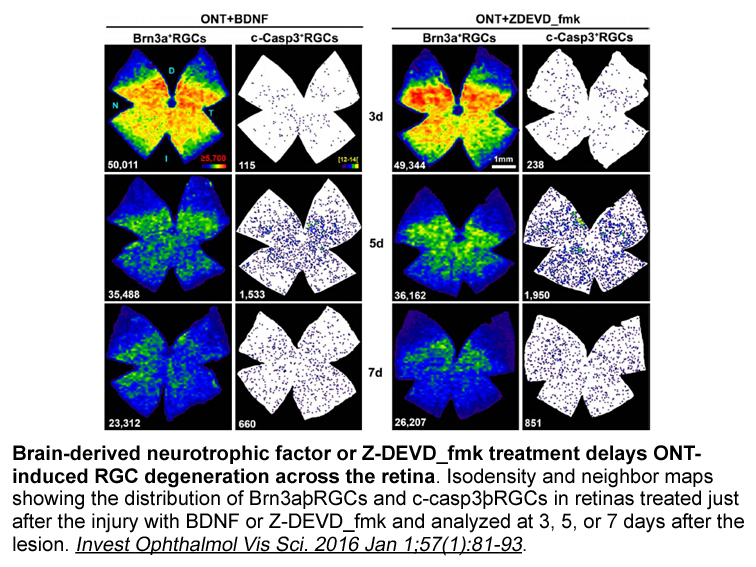
Molecular mechanisms underpinning GSNOR1 function in the defence response Recently, Arabidopsis GSNOR1 has been shown to govern the extent of S-nitrosylation of two key regulatory proteins, Non-Expresser of Pathogenesis-Related Genes 1 (NPR1) and SA binding protein 3 (SABP3), which are integral t
-
br Conclusion br Author contributions br Competing interests
2022-02-11
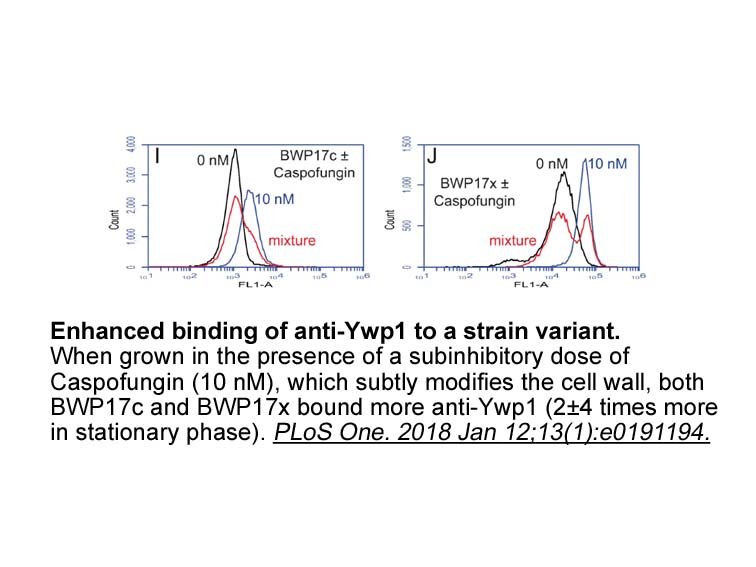
Conclusion Author contributions Competing interests Acknowledgments Introduction Reproductive performance is a major factor affecting profitability of dairy farms. The use of GnRH and prostaglandin F2α (PGF2α) in a coordinated fashion allows cows to be inseminated as a result of the u
-
In the present study administration of
2022-02-11

In the present study, administration of both muscimol and bicuculline also affected the biosynthesis of GnRHR. A significant decrease in GnRHR level in the POA, AH, VMH and SME following muscimol treatment as well as the opposite effect induced by bicuculline indicates that GnRHR gene expression is,
-
br Perspectives br Contributors BP study concept design lite
2022-02-11

Perspectives Contributors BP: study concept & design, literature review, data analysis & synthesis & presentation, primary draft of the manuscript; JDR: data analysis, Fig. 1 illustration, manuscript review & revision; ZP: study concept & design, manuscript review & edit; MI: manuscript review
-
An increased sympathetic tone and
2022-02-11
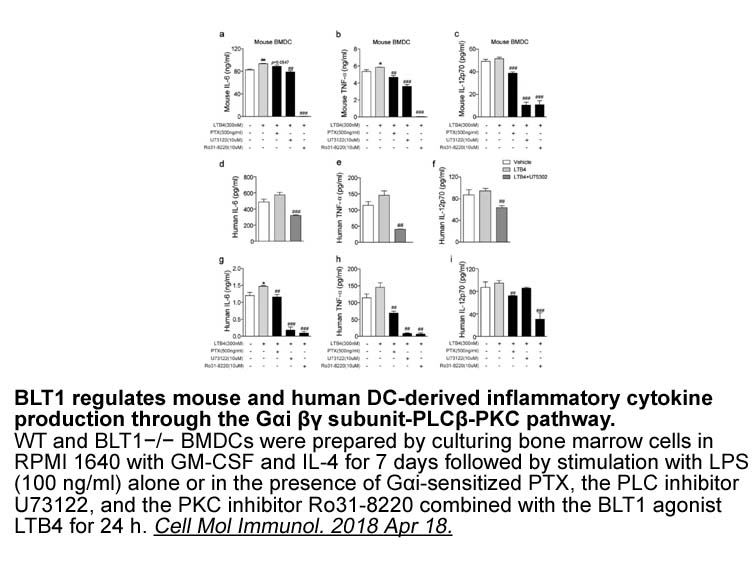
An increased sympathetic tone and the hormone glucagon are the main glucose mobilizing factors [28], [29]. Single-cell transcriptome analysis of human islet cells suggests the expression of Ffar1 not only in β-cells but also in α-cells [30]. Moreover, analysis of rat α-cells indicates that FFAR1 exp
15514 records 542/1035 page Previous Next First page 上5页 541542543544545 下5页 Last page