Archives
- 2026-08
- 2026-07
- 2026-06
- 2026-05
- 2026-04
- 2026-03
- 2026-02
- 2026-01
- 2025-12
- 2025-11
- 2025-10
- 2025-09
- 2025-03
- 2025-02
- 2025-01
- 2024-12
- 2024-11
- 2024-10
- 2024-09
- 2024-08
- 2024-07
- 2024-06
- 2024-05
- 2024-04
- 2024-03
- 2024-02
- 2024-01
- 2023-12
- 2023-11
- 2023-10
- 2023-09
- 2023-08
- 2023-07
- 2023-06
- 2023-05
- 2023-04
- 2023-03
- 2023-02
- 2023-01
- 2022-12
- 2022-11
- 2022-10
- 2022-09
- 2022-08
- 2022-07
- 2022-06
- 2022-05
- 2022-04
- 2022-03
- 2022-02
- 2022-01
- 2021-12
- 2021-11
- 2021-10
- 2021-09
- 2021-08
- 2021-07
- 2021-06
- 2021-05
- 2021-04
- 2021-03
- 2021-02
- 2021-01
- 2020-12
- 2020-11
- 2020-10
- 2020-09
- 2020-08
- 2020-07
- 2020-06
- 2020-05
- 2020-04
- 2020-03
- 2020-02
- 2020-01
- 2019-12
- 2019-11
- 2019-10
- 2019-09
- 2019-08
- 2019-07
- 2018-07
-
Introduction The first use of the term autophagy by
2024-10-29
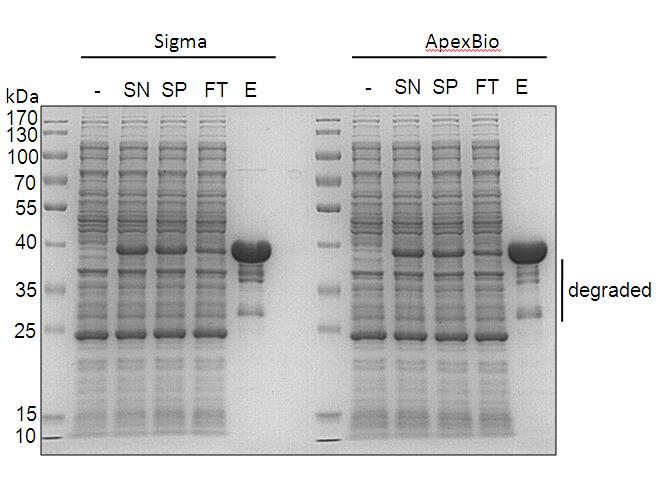
Introduction The first use of the term “autophagy” by a French physiologist, M. Anselmier, in a short article describing the effects of fasting in mice published in 1859, took place almost a century before Christian De Duve described it from a mechanistic point of view in a symposium on lysosomes i
-
Aurora A and B are required for
2024-10-29
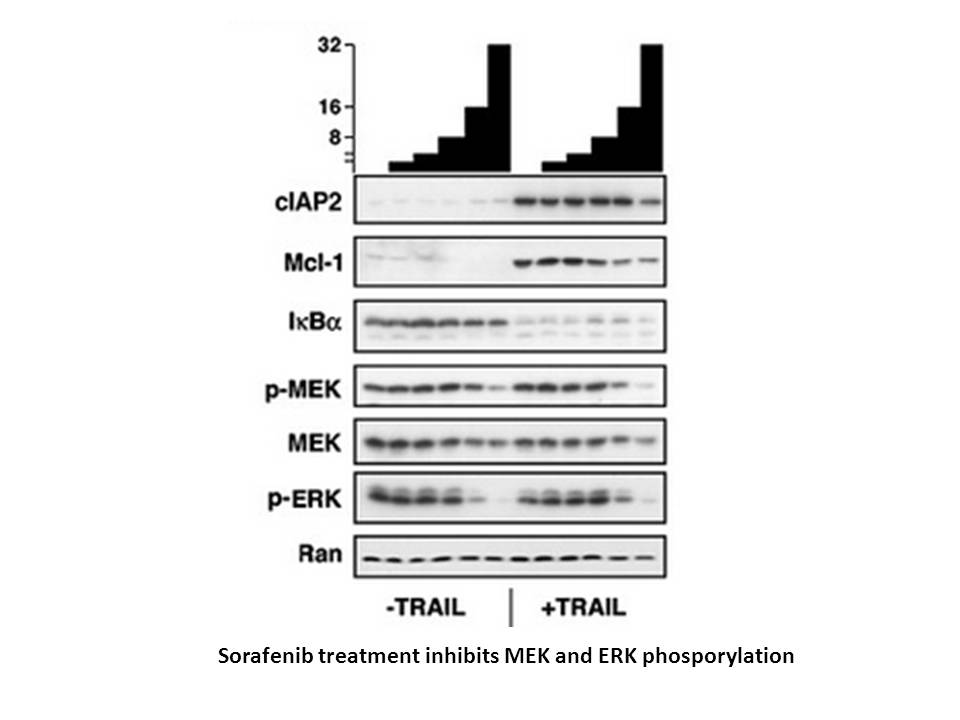
Aurora A and B are required for the control of mitosis whereas Aurora C is mainly invoved in meiosis (Goldenson and Crispino, 2015). Interestingly, Aurora B is partnered with inner centromere protein (INCENP), survivin and Borealin to form a chromosomal passenger complex (CPC) that is critical for
-
Expression subcellular localization transcriptional activity
2024-10-29
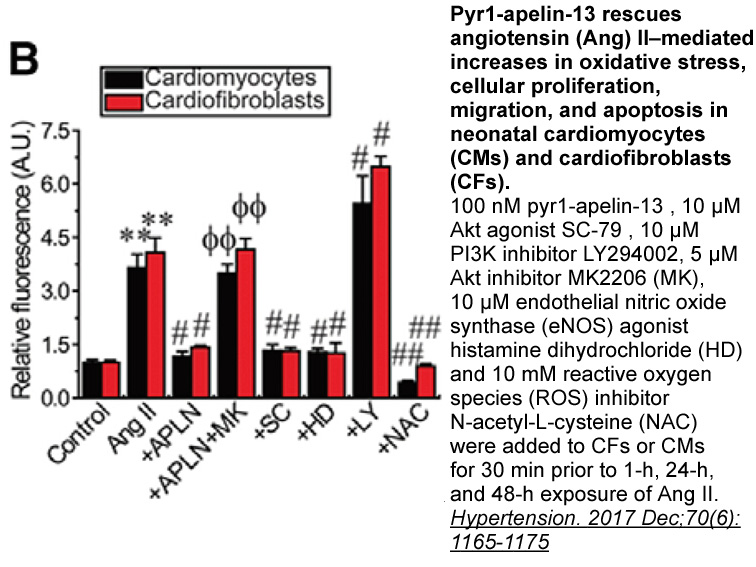
Expression, subcellular localization, transcriptional activity and protein stability of Foxo are regulated by proteins such as STAT3, PKB, JNK and AMPK (Sun et al., 2017; Zhang et al., 2011). STAT3 is a member of the signal transducer and activator of transcription (STAT) protein family that plays c
-
br Introduction Quenchbody Q body immunoassay is a
2024-10-29
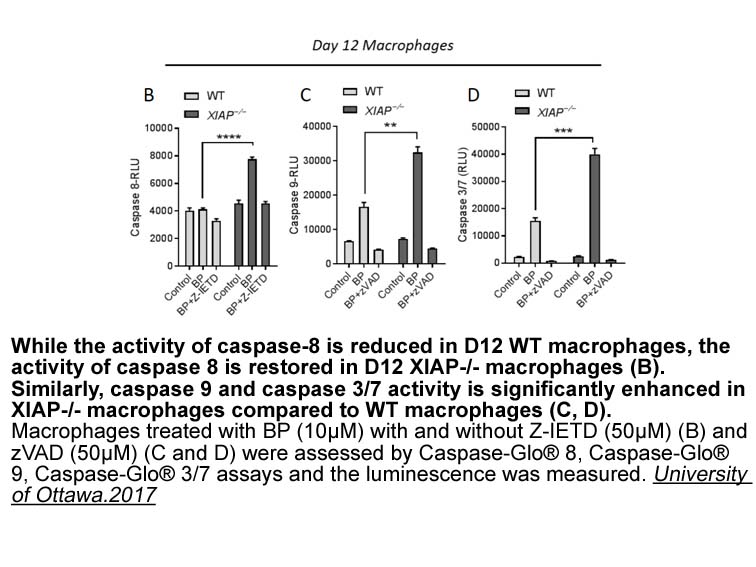
Introduction Quenchbody (Q-body) immunoassay is a novel biosensing technology that uses the quenching of fluorescence by intrinsic tryptophan (Trp) residues in antibody variable regions when dye(s) are conjugated to an antibody or antibody fragments in appropriate position, and de-quenching whil
-
Not all secondary metabolites or natural products
2024-10-29
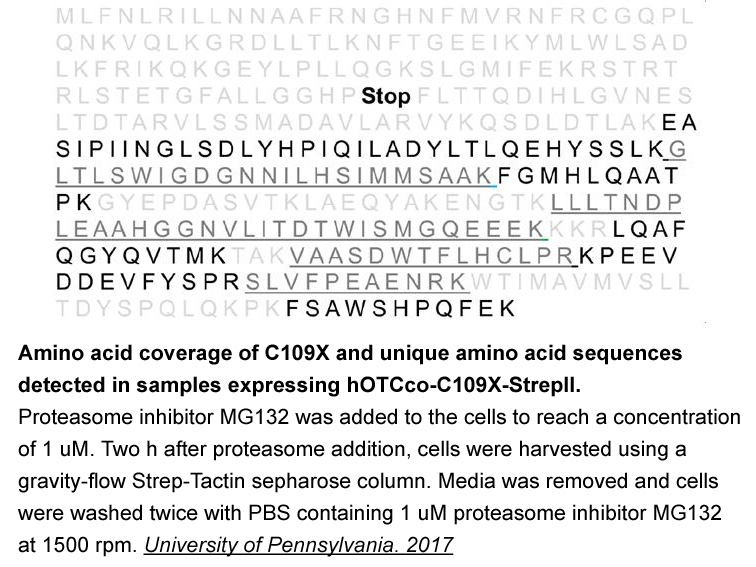
Not all secondary metabolites or natural products can be fully synthesized due to their very complex structures that are too difficult and expensive on industrial scale. Hence, there is an urgent need to search for alternative remedies as naturally occurring biologically active secondary metabolites
-
In the QFP rs T
2024-10-28
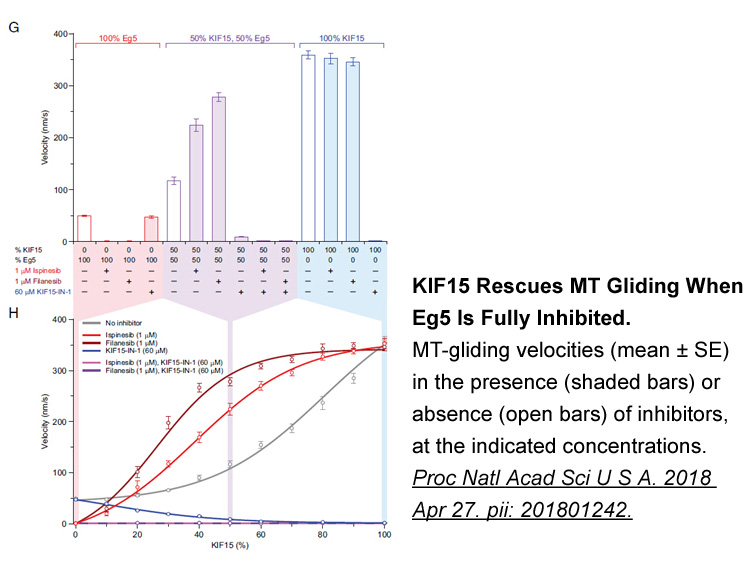
In the QFP, rs2269657-T allele showed a significant correlation with reduced plaque density in frontal cortices (Table 2), strengthening the association with amyloid pathology. The same RI-1 mg region was shown to exhibit a statistically significant reduction of SREBF2 mRNA levels in rs2269657-T ca
-
br ABCA is a sterol responsive gene The first
2024-10-28
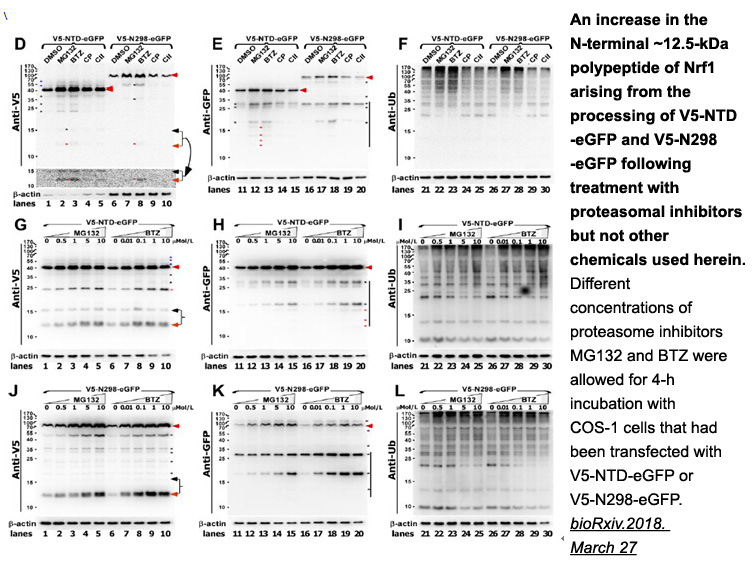
ABCA2 is a sterol-responsive gene The first evidence to demonstrate that ABCA2 expression responded to sterol loading was provided in an experiment involving monocyte to macrophage differentiation in vitro. Upon sterol loading with enzymatically degraded LDL (eLDL), ABCA2 expression increased onl
-
Sphingolipids such as ceramides and glucosylceramides
2024-10-28
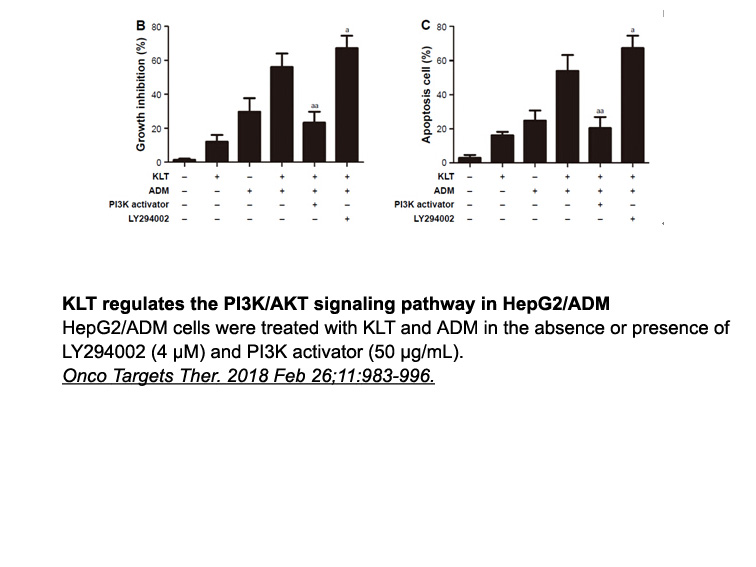
Sphingolipids, such as ceramides and glucosylceramides, are an important class of bioactive lipids. The levels of these lipids change as a function of adipose tissue mass and functionality, and are partially driven by cellular availability of palmitoyl-CoA. Aberrant accumulation of ceramide, glucosy
-
Overexpression of SMAD and SMAD strongly enhanced
2024-10-28
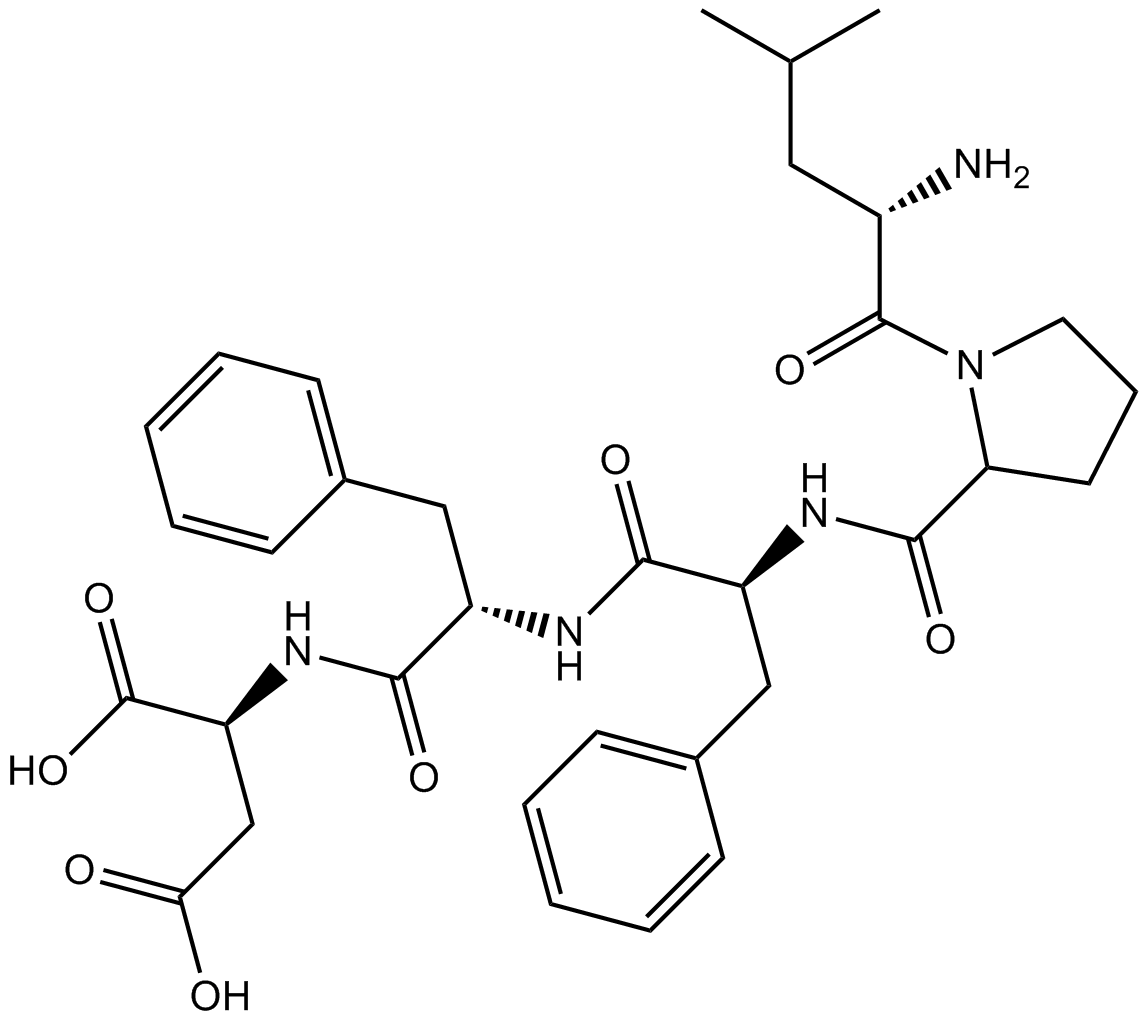
Overexpression of SMAD3 and SMAD4 strongly enhanced luciferase activity of the new pN10 reporter gene construct which was further reinforced by addition of TGFβ. Serial mutations of SBE-1 and SBE-2 led to a slight loss in 5-LO promoter inducibility. The data demonstrate that the two SBEs within the
-
hydroxydopamine OHDA is a selective catecholaminergic neurot
2024-10-28
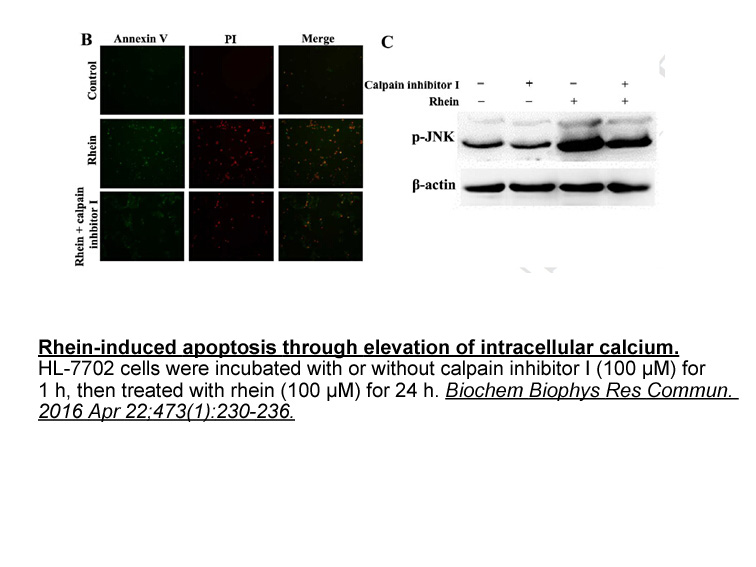
6-hydroxydopamine (6-OHDA) is a selective catecholaminergic neurotoxin mainly used to generate lesions in the nigrostriatal pathway in rats (Ungerstedt, 1968). The most common use of 6-OHDA is via unilateral injection into the rat medial forebrain bundle (MFB). DA depletion, nigral DA cell loss, and
-
Accumulating data suggest that ROS trigger autophagy
2024-10-28
Accumulating data suggest that ROS trigger autophagy but, in turn, autophagy reduces ROS levels [23]. Our results are in agreement because 27-OH mediated autophagy induction interms of LC3 II formation and Beclin 1 protein expression was suppressed by treating the promonocytic cells with the antioxi
-
ABC super family proteins are found
2024-10-28
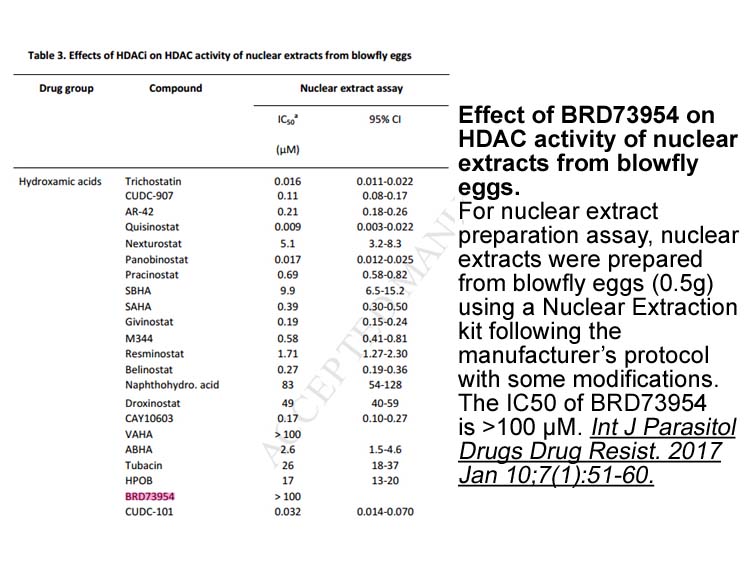
ABC super family proteins are found in all forms of life and ABC-F subfamily of proteins are involved in cellular processes such as translational control and antibiotic resistance by ribosomal protection [3], [5]. The Mtb ABC proteins that do not contain transmembrane domains have not been studied [
-
Hypoxia induced replication arrest has been
2024-10-28
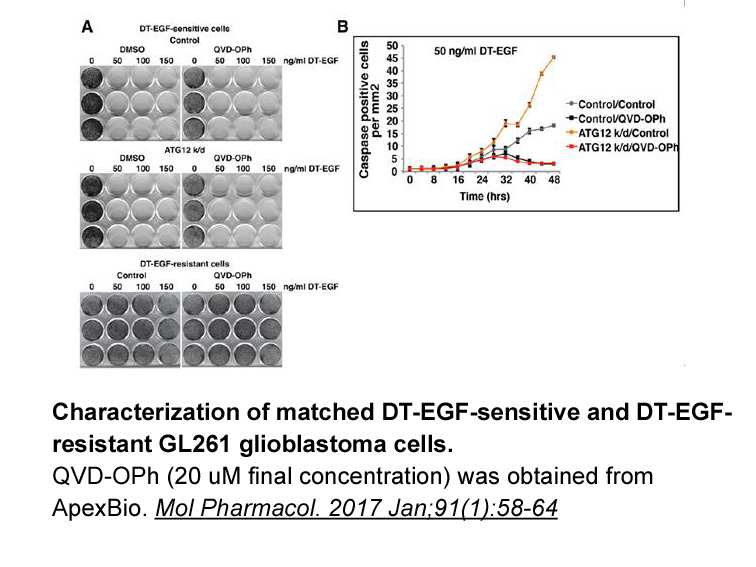
Hypoxia-induced replication arrest has been demonstrated in a variety of organisms in addition to mammals; including Zebrafish , , and (brine shrimp) which have been shown to survive for 4 years and longer in anoxic conditions . Despite this breadth of study, little is known about the mechanism of
-
Ferrostatin-1 synthesis Functional enhancers are often compo
2024-10-28
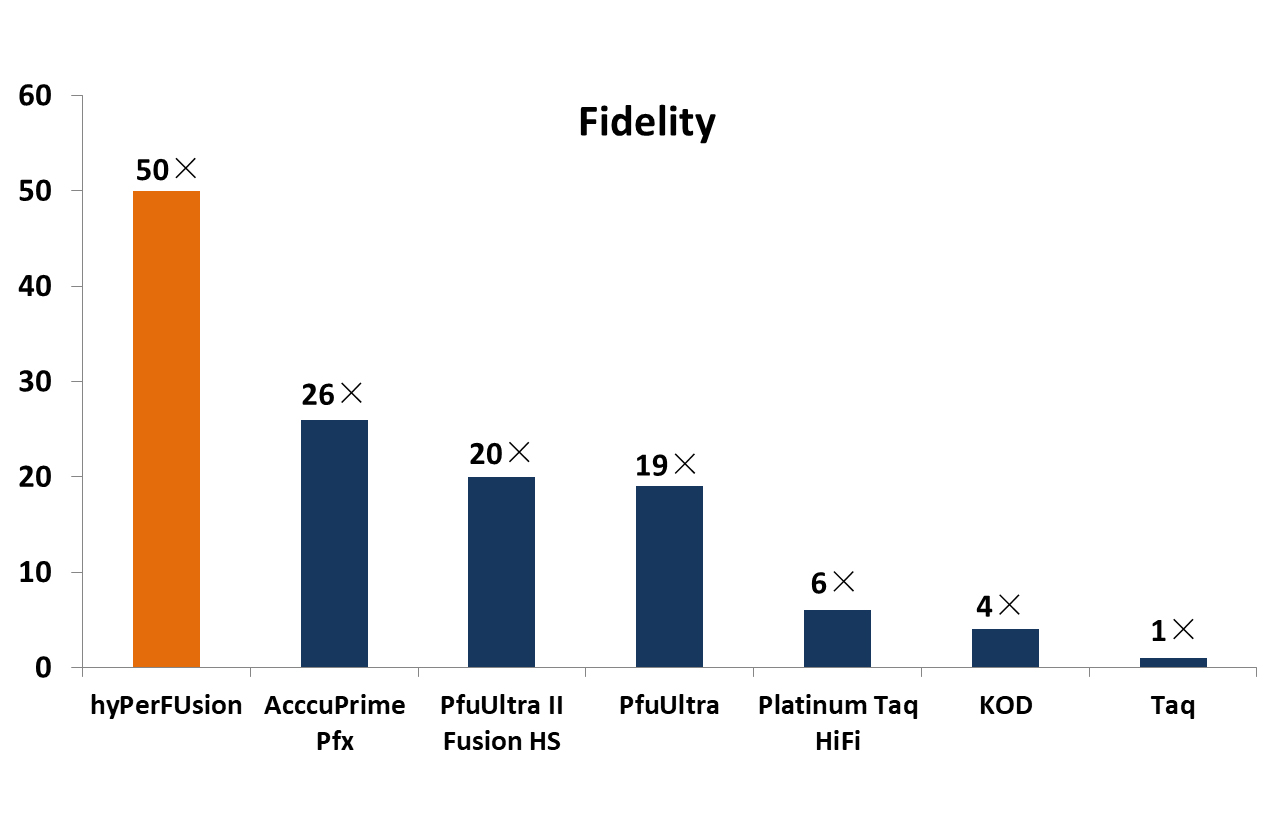
Functional enhancers are often composed of binding motifs of multiple key transcription factors to confer spatial and temporal regulation of genes in a certain context. In the uterus, the difference between the number of genes that have associated PGR occupancy and that of progesterone responsive ge
-
Findings of the present study provide a molecular
2024-10-28
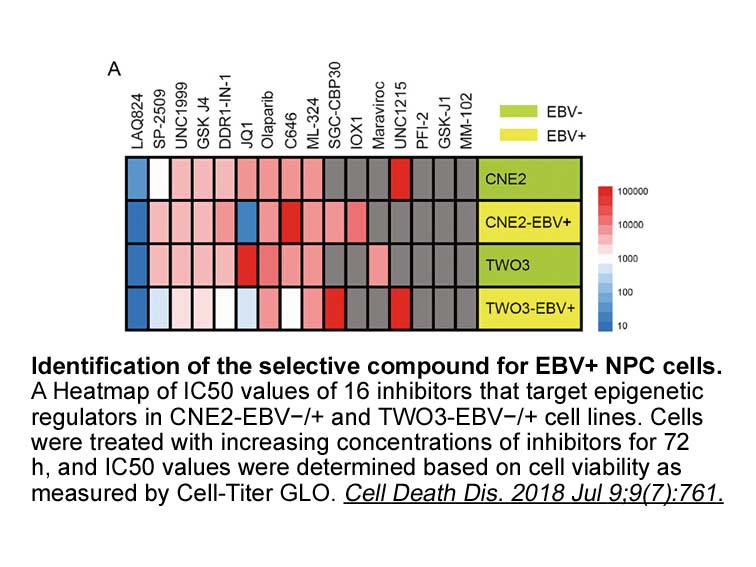
Findings of the present study provide a molecular mechanism for the elevated ASK1 expression in obesity and how it may be functionally linked to whole-body insulin resistance. The role our findings assign to increased E2F1 in upregulating ASK1 parallels the capacity of this transcription factor to r
15521 records 89/1035 page Previous Next First page 上5页 8687888990 下5页 Last page